
Editorial perspective
A correction fixes a part of a story; a retraction withdraws its foundation
Corrections preserve work that remains sound, while retractions tell readers the central reporting can no longer be relied upon.
Context, useful questions and ideas worth your time.
Corrections preserve work that remains sound, while retractions tell readers the central reporting can no longer be relied upon.

Parties may settle to control cost, time and uncertainty. Coverage should state the agreement’s terms without turning resolution into a finding of fault.

A filed claim begins a legal dispute. Accurate coverage must separate what each side alleges from what a court has actually decided.

The Barry Antoine collaboration is headed to streaming as Floss plans an EVEN-exclusive album.

The 2026 single asks how confidence holds up when nobody is watching.

A filed complaint records what one party claims. Its official format does not mean a judge has tested the evidence or accepted the account.

A leak may be newsworthy without every exposed address, identifier or private message being repeated. Verification and public interest should determine what appears.

The two rappers bring different industry perspectives to the second single from Cloak’s upcoming concept album.

Legal access answers whether information can be obtained. Editorial judgment must still decide which details serve the public interest and which create unnecessary harm.

Reporting about a deceased person still affects family, sources and public understanding. Sensitive details need a purpose beyond curiosity.

Children may live with the consequences of publication for years. Identifying details should be withheld unless a clear public need outweighs the likely harm.

Minor edits can improve readability, but changing uncertainty, emphasis or grammar too heavily can turn a real quotation into words the person never gave.

No response can have many explanations. Reporting should document the contact attempt without claiming that silence proves the allegation.

When a claim remains disputed or unproven, the headline must make that status visible instead of presenting the accusation as a settled conclusion.

Seeking comment is more than sending a last-minute message. The subject must understand the important claims and have a realistic chance to answer.

A changed name can reduce harm, but the story should explain the protection without misleading readers about who was interviewed.

People should understand the format, audience and likely reuse of their words or image, especially when circumstances are sensitive or power is unequal.
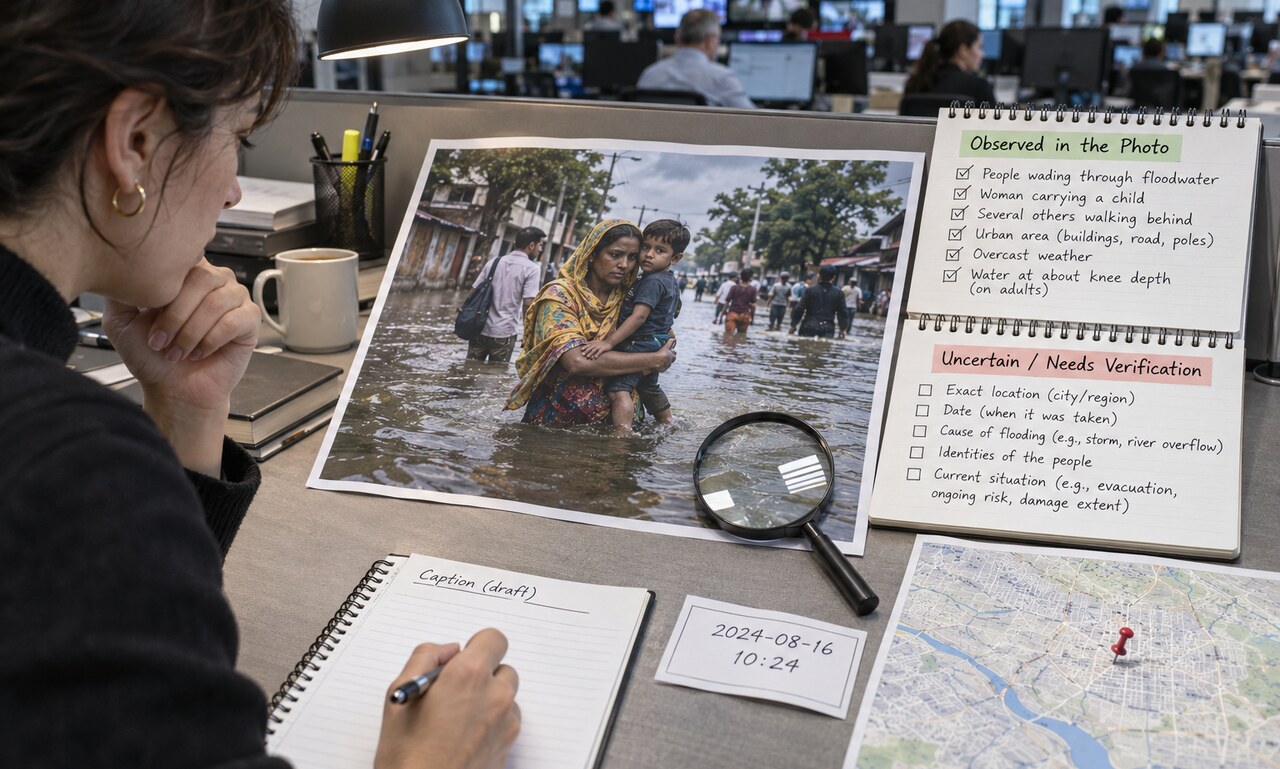
Captions should identify what the image clearly shows while labeling or omitting details about motive, identity and cause that are not verified.

Agreeing to hold information until a set time should not prevent verification, criticism or an independent decision about whether to cover it.

Disturbing material should add necessary understanding, not turn suffering into spectacle or surprise readers without warning.

The fact that a name is available does not always mean publishing it will improve the public’s understanding.

Readers need relevant relationships before they evaluate an argument, not after they have already accepted it.

A short note can explain an unusual decision, a reporting limit or a risk that ordinary article labels cannot show.

One identifies who reported the story. The other traditionally tells readers where that reporting was filed.

Protecting a source may be necessary, but the article still owes readers enough context to judge the claim.

New facts and repaired errors serve different purposes. Clear labels help readers understand how a story changed.