News literacy
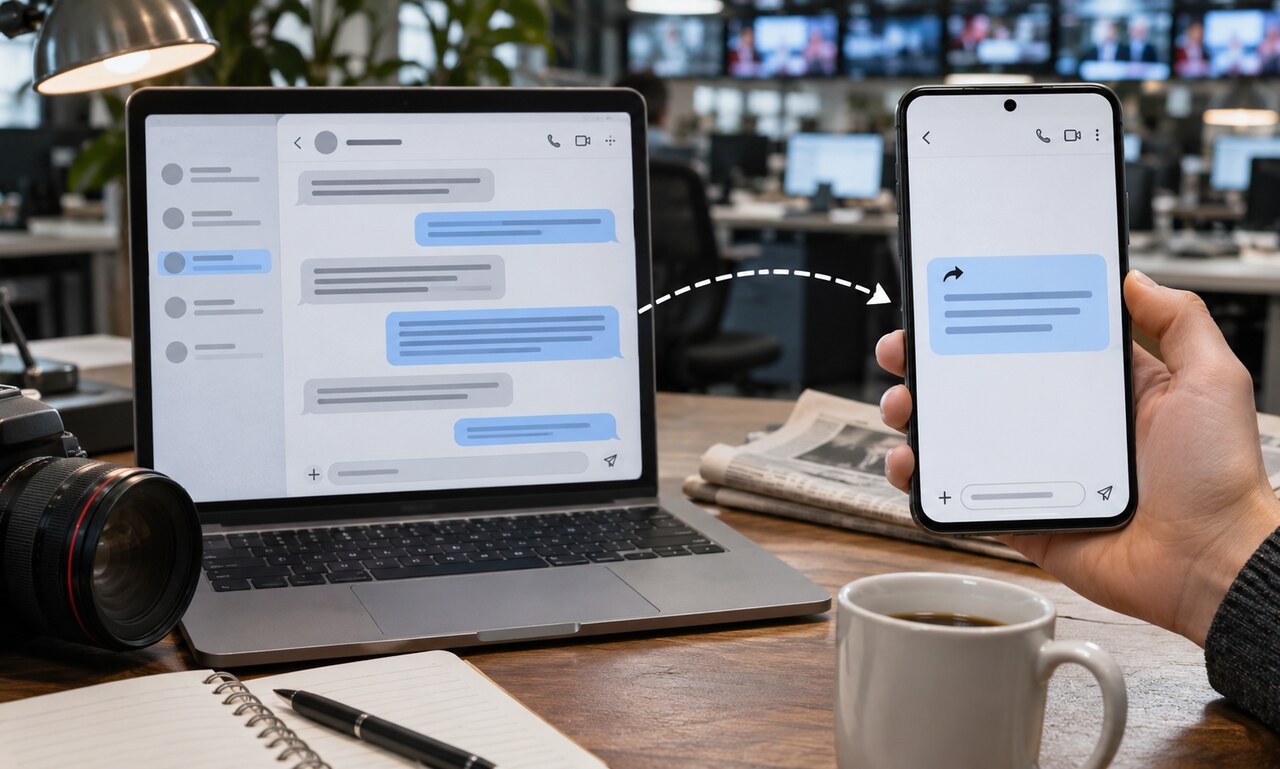
A forwarded message can lose the context that gave it meaning
A copied message may be genuine while leaving out earlier questions, later clarifications and the identity of the original participants.
Context, useful questions and ideas worth your time.
A copied message may be genuine while leaving out earlier questions, later clarifications and the identity of the original participants.

File systems can assign a fresh creation time when an item is copied, downloaded or moved between devices, so the visible date may not identify when the content first existed.

A revision log can identify edits and timing, but the record usually cannot establish a person’s motive or the full discussion behind the change.

Files can be renamed automatically or deliberately. The name may suggest a source, date or device, but stronger evidence must confirm the origin.
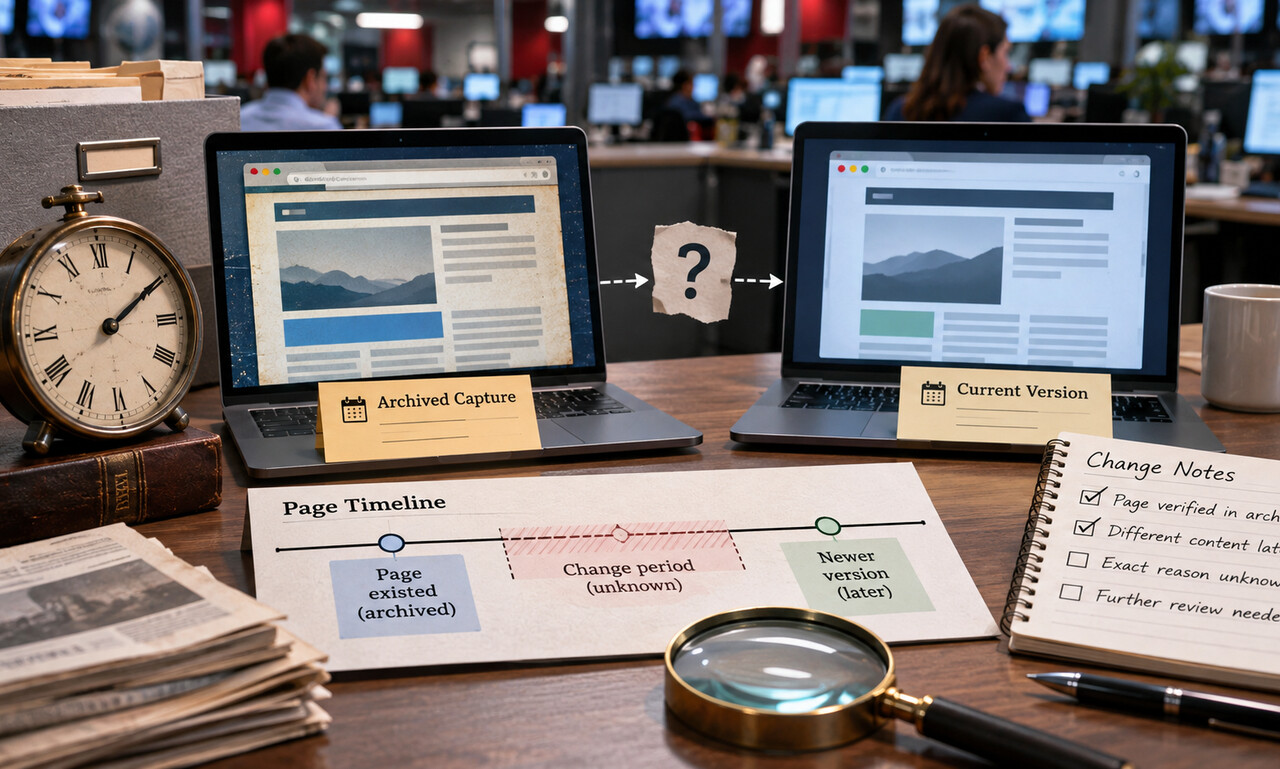
A saved page can establish what was publicly visible at one moment. It cannot by itself explain who edited the page, when every change happened or why.
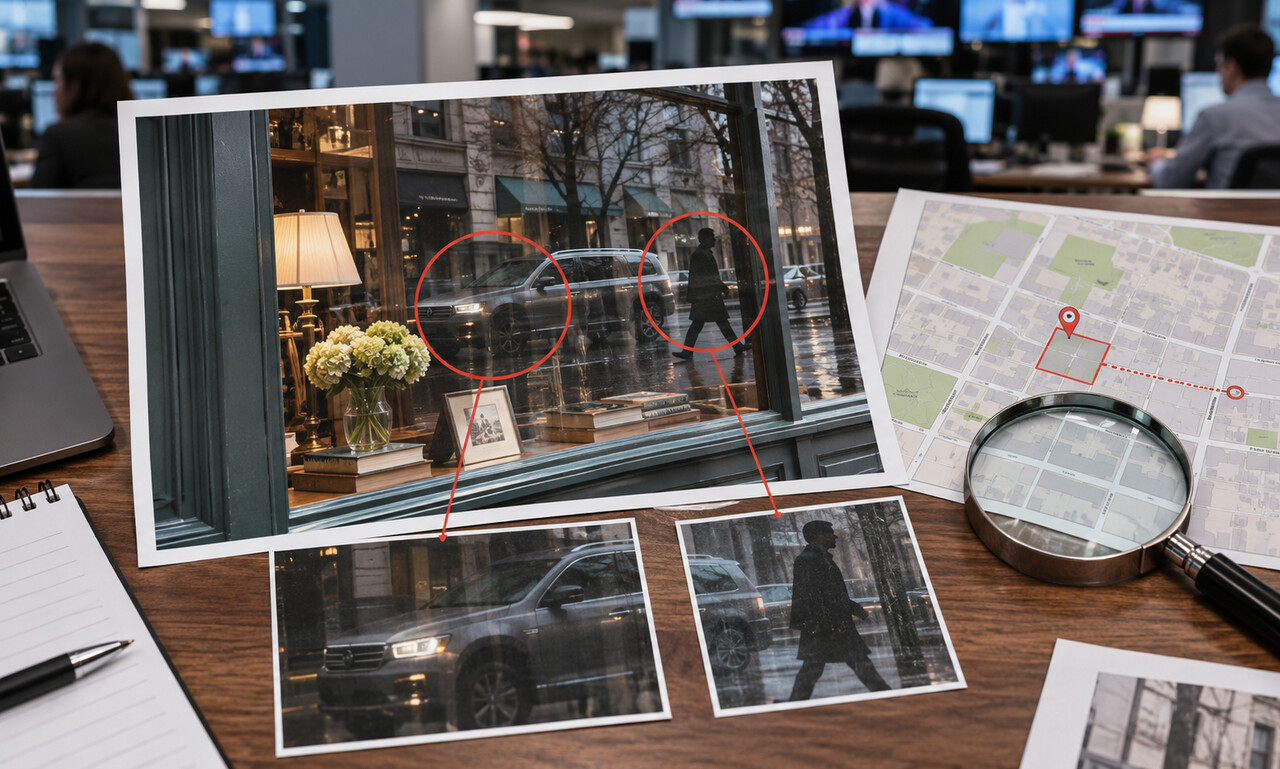
Glass, mirrors and polished surfaces may show people, vehicles or light sources beyond the direct view—but reflected geometry must be interpreted carefully.
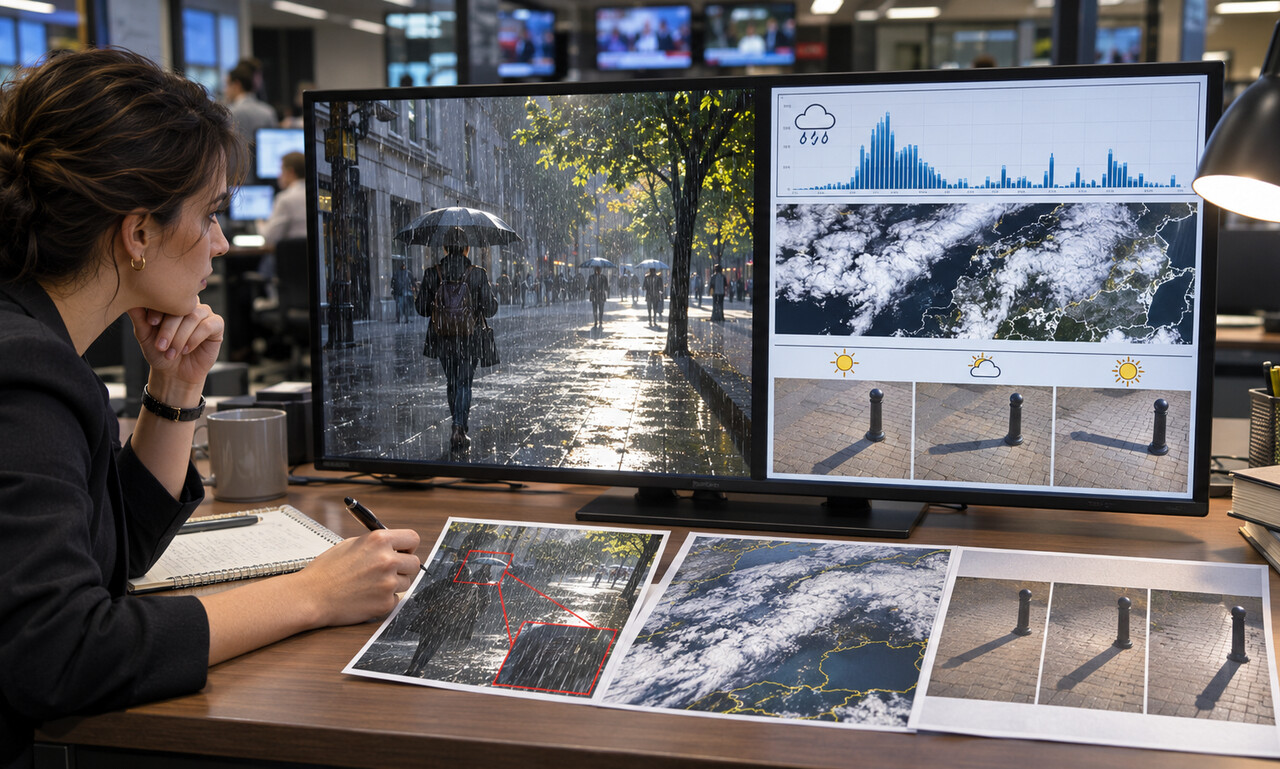
Rain, clouds, shadows and snow can test a claimed date, but local variation and incomplete records mean several clues should agree.
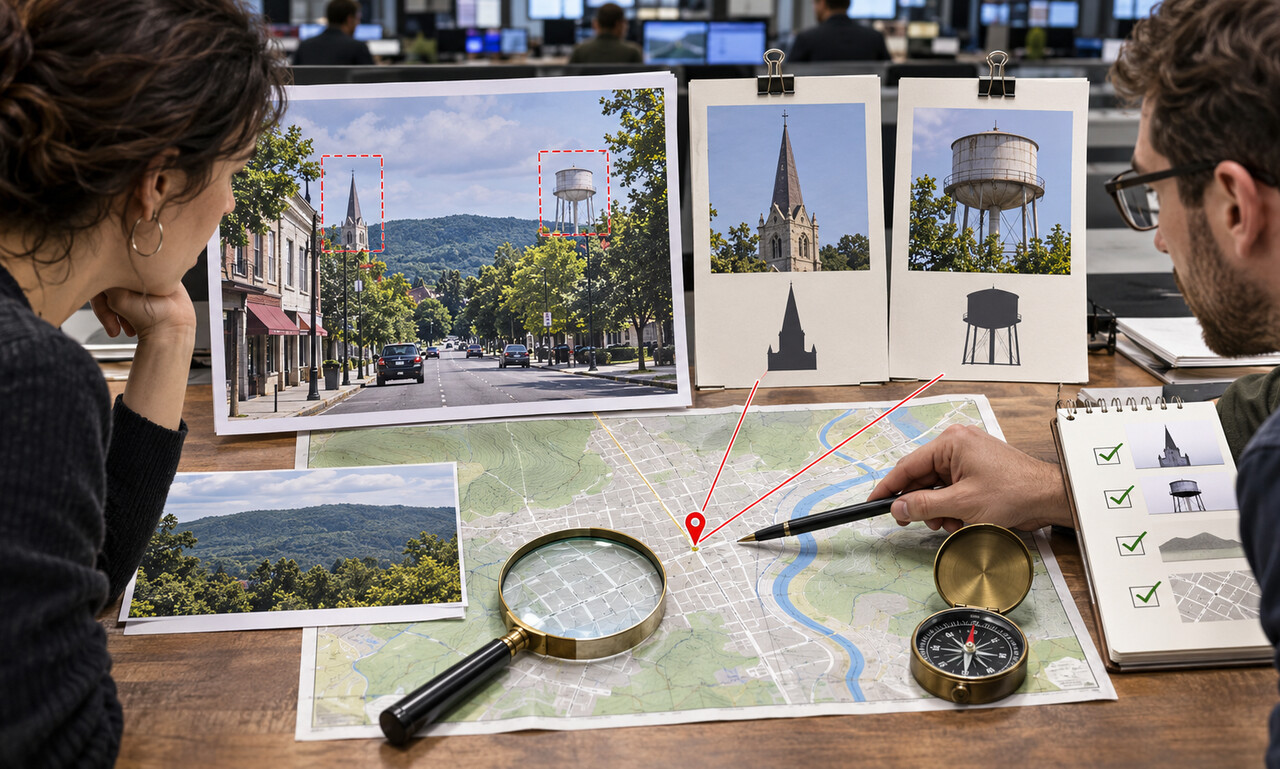
One matching building or road shape can occur in many places. Strong location verification combines several independent features that fit the same scene.

Search results reveal where an image has appeared, but the oldest indexed match may still be a repost, crop or copy of an earlier source.

A horizontal flip can move signs, traffic and landmarks to the wrong side, creating false location clues even when the underlying scene is genuine.

A clip may show a real moment while excluding the people, actions or surroundings needed to understand why it happened.

Real audio or video can be rearranged, shortened or separated from context until it appears to tell a story the full recording does not support.
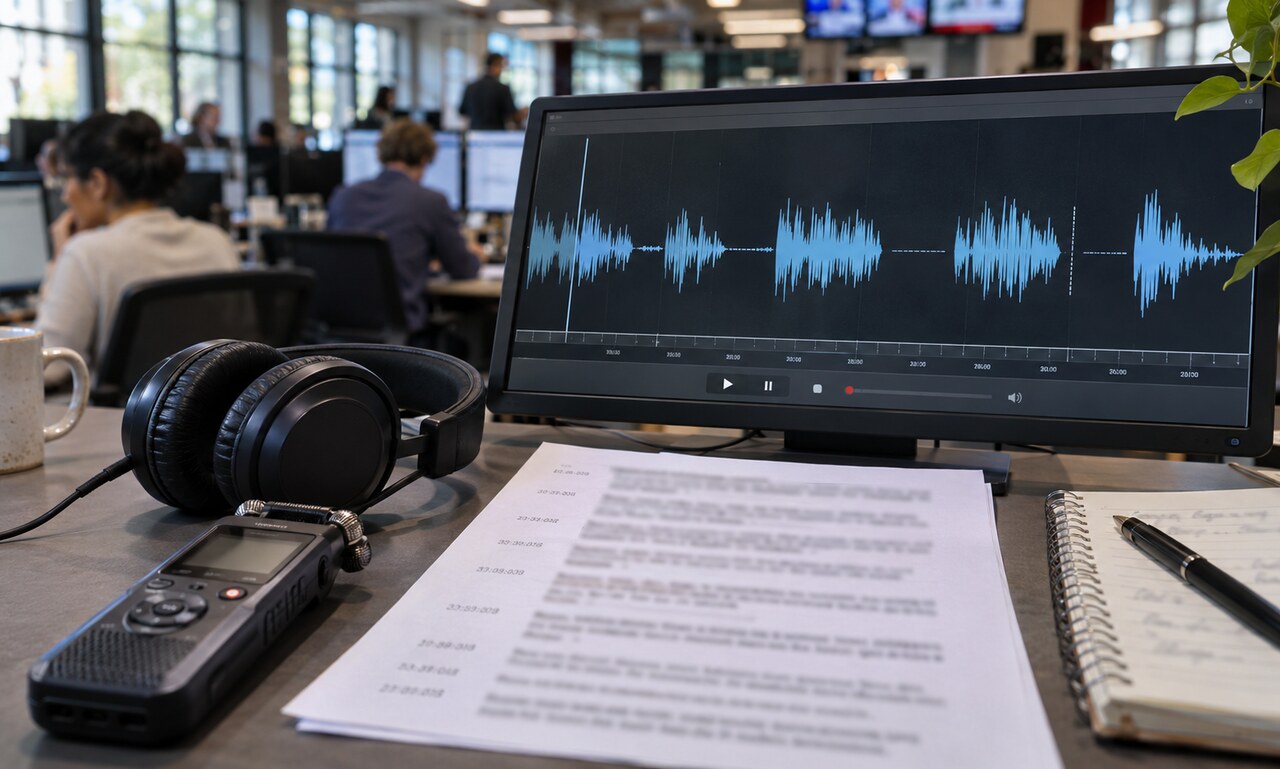
Written words make recordings searchable, but they can flatten delivery, hide uncertainty and leave gaps that matter to the meaning.

A document’s contents matter only after its origin, completeness and relationship to the claimed event have been checked.

Source terms should be agreed before an interview because each one changes what may be published and how information can be attributed.

A strong credential matters only when the person’s training and direct knowledge fit the specific question being answered.
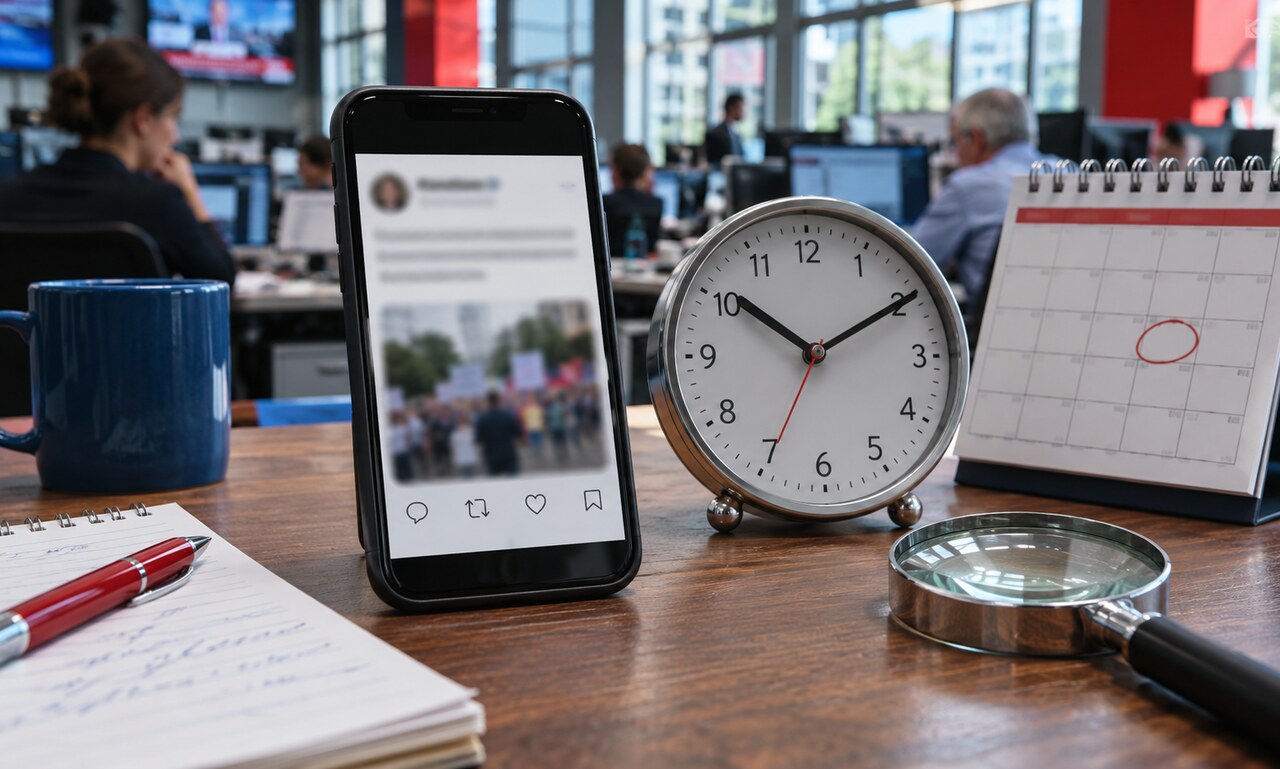
Without a clear date and time, an authentic post can be attached to the wrong event, sequence or breaking-news cycle.
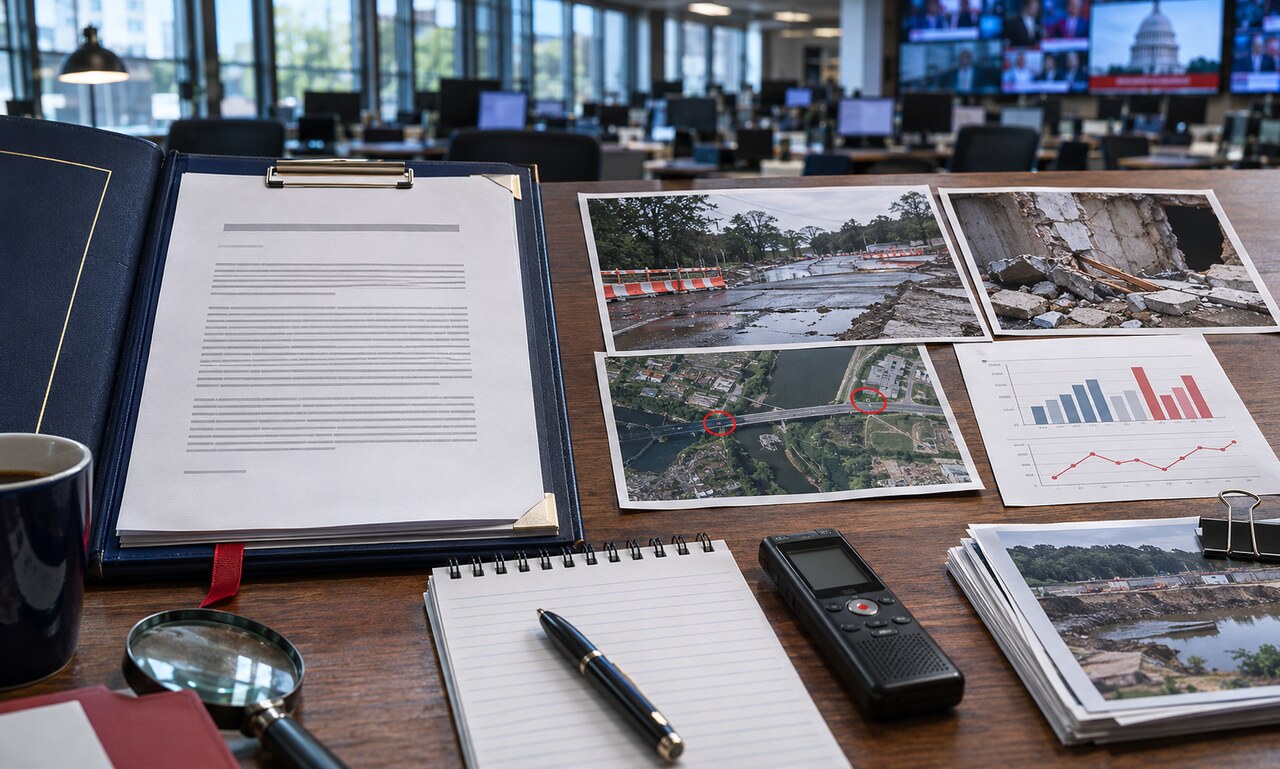
Statements show what an institution says happened. Reporting must still test the facts, context and competing accounts.
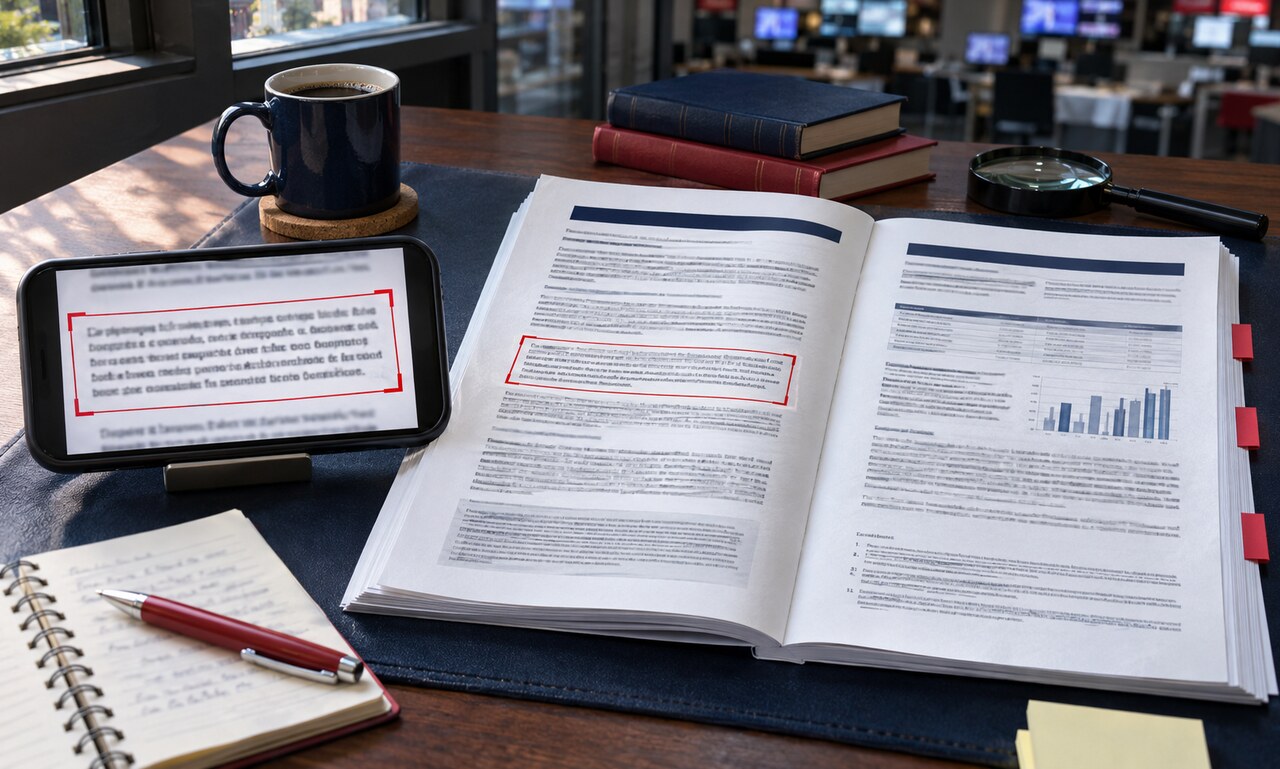
A cropped page can hide headers, footnotes and surrounding language that determine what the document means.

A polished announcement can resemble a news story, but the source, purpose and unanswered questions are different.
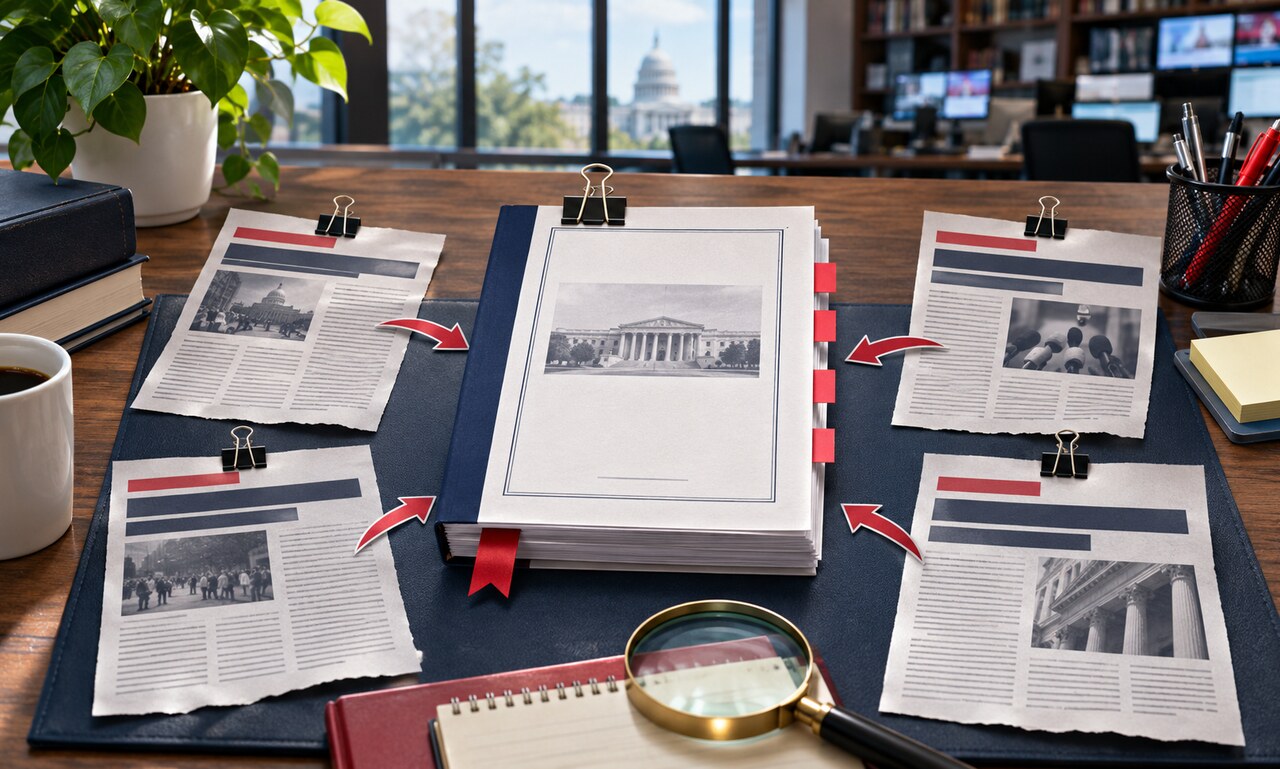
A report about a report is useful, but the original document shows what was actually measured, decided or said.
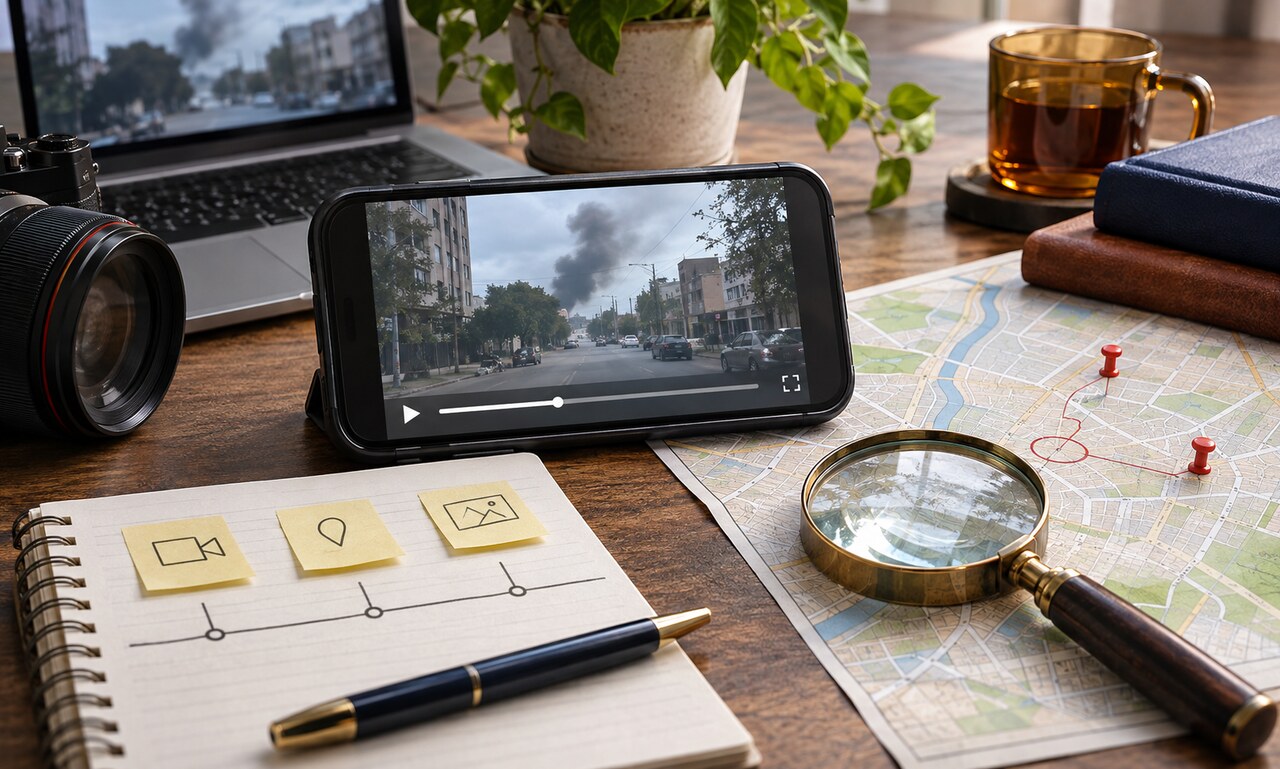
A video may show something real while leaving the location, timing and wider event unresolved.

A quote card can travel farther than its original context. Four checks can show whether the words, speaker and meaning still line up.